

By the time someone walks through our door with a bag in their hand, they may have been thinking about getting help for a long time. Some people come because they’re tired of waking up to the same cycle. Others come because something has happened in their life, or because someone they love has asked them to give treatment a chance. When someone sits down with me for the first time, I try to remember how much it took for them to get here.
You can feel relieved to be here and still wish you were somewhere familiar. You may already feel sick and want to know how soon you can lie down or get some relief, or whether someone will let your family know you’re okay. And here we are, people you’ve just met, asking you to tell us things that may have been hard to say even to someone you love. I take that moment seriously. It’s a privilege to be the person you let help you.
When shame makes it hard to ask for help
Maybe you meant it every time you told your family you could stop. Now you’re sitting down with someone new, trying to explain how you ended up here when you worked so hard to keep this from happening. That can bring up a lot of shame. It can also be lonely, especially if you’ve spent months saying “I’m fine” while wishing someone understood how discouraged you felt.
When I sit with someone at intake, I want to understand what those months have been like for them. If you’ve been in treatment before, I want to hear what helped you then and what made it hard to trust the people caring for you. If all you feel able to say is “I’m scared of going through withdrawal again,” that tells me something important. We can spend those first few minutes talking about the thing that you’re worried about or kept you awake last night. The rest of your story can come as we get to know each other.
Trust begins with the small things
Every intake at Salterra is private, and each one feels different because of the person sitting with us. Even something as ordinary as putting away your valuables deserves care. Those belongings are yours. In a room where everything is unfamiliar, they may be among the few things you still feel some control over.
Taking the time to tell you where we’ll keep something, how you can get it back, and what will happen next is one way we begin to earn your trust. Another is remembering what you told us ten minutes ago. If your biggest worry when you arrived was the family member who drove you here, it matters that we come back to that with you. It’s easier to settle in when you feel that someone heard you the first time.
Letting someone care for you through withdrawal
The first few days of opioid withdrawal can be especially hard. Sometimes the anxiety starts before the symptoms do. You remember how your body felt the last time you went through it. You’re tired, you’d like to lie down, and part of you is still bracing for what comes next. It can be hard to take in much of what anyone is saying when what you really need to know is whether someone will be there if you start to feel worse.
At Salterra, our staff are here around the clock, and your medical provider guides your withdrawal care. We explain what we know about the plan, including what to expect with medication, and we keep checking in. How you tell us you feel matters. Something can be getting harder for you before it’s obvious to anyone else.
One of the moments that means the most to me is when someone who has been trying to hold everything together begins to feel comfortable enough to rest. They may still feel anxious or physically uncomfortable. But they know who’s there, they’ve seen us come back when we said we would, and they’re beginning to feel they can rely on us. Letting us take care of the monitoring and coordinate their care gives them a little room to lie down, close their eyes, and let their body rest. They still have a say in what happens to them.
Private Detox and Residential Rehab at Salterra
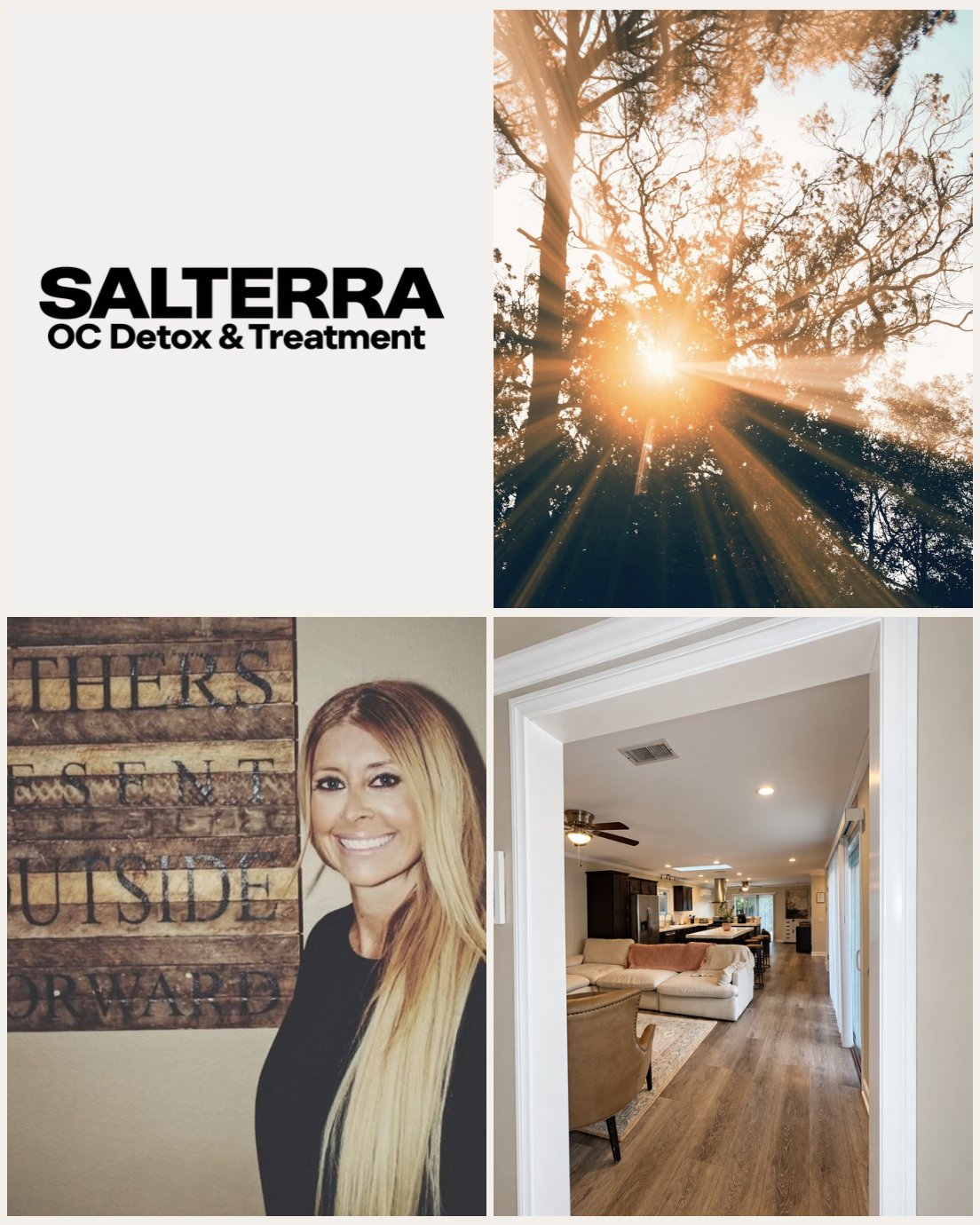
At Salterra OC Detox & Treatment, you can begin medically supervised detox in our private six-bed home in Dana Point. If residential rehab is the right next step for you, you can stay in the same home for individual and group therapy with people you’ve already begun to trust. The person you told about a difficult first night may be there a few days later to hear what you hope to change.
I think about how much courage it takes to come through our door while some part of you still wants to turn around. If you’re at that point today, it’s enough to say, “I need help”. We can begin there.
Call admissions 949-303-6308