
Finding Hope When Life Feels Hopeless
From hopelessness to a life worth rebuilding
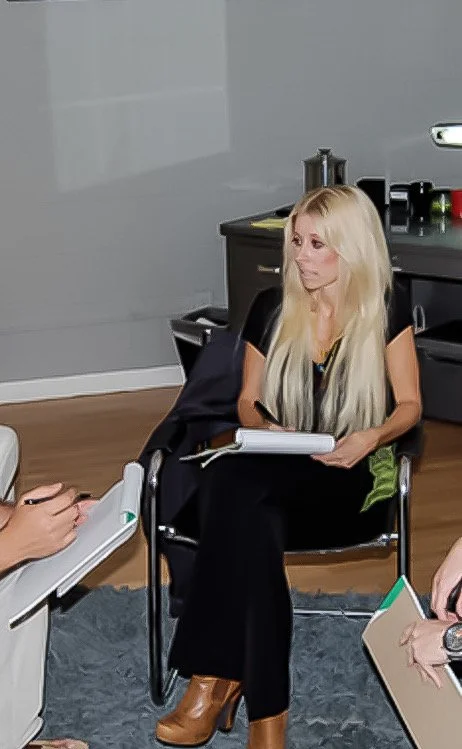


In my years of working with people struggling with addiction, I have seen how difficult it can be to imagine a future when the past feels overwhelming. Years of substance use have damaged relationships, interrupted careers, and created losses that feel impossible to repair. When someone has lived with that pain for so long, hope feels unreachable. Having someone else see hope for you during impossible circumstances can be a significant and transformative healing experience.
I’ve witnessed countless people begin again and create amazing lives. I’m often in awe of the beautiful transformation that occurs in recovery. People who once felt hopeless have built families, become mothers and fathers, returned to school, developed careers, and found purpose in helping others. They couldn’t change their histories, but they moved forward and turned the pain into beauty.
My vision in working with people struggling with addiction is to see the possibilities that a person cannot yet see for themselves. As they move through detox and begin recovery, I help them find something within themselves to create the life that seems beyond their reach.
Shame Makes the Future Feel Impossible
People often come into detox carrying guilt about things they have done and shame about who they believe they have become. They may have hurt people they love, broken promises, or acted in ways that conflict with their values. Family members may be exhausted, angry, or afraid after years of trying to help.
There can be real harm that needs to be acknowledged. But when every conversation, memory, and attempt to change returns to past failures, a person may struggle to believe that anything different is possible.
Many people use substances to escape those feelings, only to experience more consequences and deeper shame. The cycle continues, and their view of themselves becomes smaller, along with their sense of a possible life beyond addiction.
When I get to know a new client, I want to understand more than their substance use. What matters to them? What are their gifts? What have they stopped believing they could do? When have they felt connected, capable, or useful?
Often, a person’s strengths are still there but buried beneath years of pain and low self-esteem. Someone who sees themselves only through their mistakes may also be compassionate, creative, athletic, artistic, intelligent, resourceful, or deeply sensitive to the struggles of others.
I have watched people discover those parts of themselves again. Some find purpose in parenting or rebuilding relationships. Others find it through work, education, creativity, or service. Some eventually enter the recovery field and use what they have learned to help others.
There is no single picture of a meaningful life. What matters is beginning to see a future you want to participate in.
Letting Go of Resentments
Resentment can keep people connected to painful experiences long after they have happened. We may replay what someone did, what should have been different, or what we wish we could change. Sometimes resentment is directed inward, toward things a person has done while using or drinking. Some resentments begin small but grow as a person repeatedly revisits them, until they influence how that person interprets new experiences. Whether the resentment is toward yourself or others, continuing to harbor that anger harms you, even when the anger is justified.
I have seen resentment become a reason to keep using, while continued substance use reinforces the anger and the belief that there is more to resent. That cycle can keep a person focused on what others have done and make it harder to recognize what they can change in their own life.
I help people look honestly at their resentments and experiences. Where have they been hurt? What remains unresolved? Where, when applicable, have their own actions contributed to a conflict? What can they take responsibility for today?
Owning your part does not mean accepting blame for harm someone else caused. It means looking honestly at your own actions and recognizing how you continue to respond to what happened. You may not be able to change the experience, but you can begin to change how much control it has over your life.
Letting go of resentment begins with the decision to stop allowing an old injury to guide every new choice. It does not require forgiveness or mean that what happened was acceptable. It means choosing to stop feeding the anger because continuing to carry it is causing you harm. Letting go creates room to focus on your recovery and the life you want to build.
Attunement and Connection
In my experience, a lack of connection is a recurring theme in the lives of people struggling with addiction. Many people struggling with addiction do not feel they have experienced attunement: that sense of another person understanding them and being emotionally connected to what they are experiencing. Whether that disconnection reflects what happened or how they experienced it, the feeling of being misunderstood is real. Someone may have been deeply loved and still not have felt understood. Many people I work with have carried that feeling for years and have become disconnected from others and from themselves.
I believe that substances can become a way to disconnect from that pain. Disconnecting may bring relief from feelings a person does not know how to express or manage. Over time, they may become increasingly disconnected from other people and from their own feelings and needs. What once offered relief can make it harder to find the connection they have been missing.
This is why I believe attunement matters in recovery. Having someone remain emotionally present and take the time to understand can help a person begin to reconnect with themselves and others. Giving someone room to express parts of themselves they have spent years hiding or trying to escape can be transformative.
Connection with a Higher Power and Community
For many people, reconnecting with a higher power becomes an important part of this process. The meaning of that connection is individual. For me, my connection with God has guided me through difficult circumstances and helped me find hope in impossible situations.
Helping others find that spiritual connection assists them in the 12-Step process and helps them let go of controlling things that cannot be controlled. Faith in a higher power begins with trusting something bigger than yourself and the patterns that have kept you stuck.
Community matters, too. Being around people with similar struggles can make it easier to speak honestly about experiences that once felt impossible to share. A healthy recovery community offers understanding alongside accountability: people who care enough to tell you the truth and remain present while you work to change.
I’ve seen this also be transformative in recovery. An isolated person often lights up when there are others around who understand what they’ve been through and can offer hope for the future.
Turning Hope into Daily Action
A shift in thinking can open a door, but building a different life takes repeated action.
That means it’s important to take contrary action: making the call when you want to isolate, telling the truth when you want to hide, or accepting help when shame tells you that you do not deserve it.
As noted in the 12 Steps of AA, a daily inventory can create space to notice problems before they grow. Was I dishonest? Did I hurt someone? Am I holding onto something I need to address? Is there a conversation, apology, or change in behavior that I am avoiding?
Making things right, when appropriate and safe, is an ongoing practice. Some relationships take time to repair. Other people may need distance, and their boundaries deserve respect. What you can continue to work on is the way you live today.
Hope becomes more tangible as you begin keeping commitments to yourself and others. Each contrary action, such as having an honest conversation or making a responsible choice, gives you something real to build on.
Finding Your Gifts and Strength
I feel deeply honored to work with people who struggle with addiction. It has been a privilege to get to know so many gifted, bright, intelligent, and interesting people.
Watching artists develop their gifts in recovery has been a very special part of this work. The art that surrounds me reflects those experiences, and each piece brings value to my work because of the person behind it. Some of those artists have lost the battle with addiction, but their memory and the special gifts they brought to this world will always stay alive in my work to help others who struggle with addiction. I truly believe each person struggling with addiction has a gift, and that gift needs to be brought out for them to feel fulfilled.
Throughout my work at South Orange County Detox & Treatment, and now at Salterra OC Detox & Treatment, I’ve wanted each person who walks through the door to feel seen and valued.
I am grateful to share that work with special staff, past and present, who put their hearts into caring for our clients. They deserve recognition for the time, patience, and care they give to people during some of the most difficult days of their lives. Their dedication means so much to me, and the transformations I have witnessed reflect the hearts and efforts of the people who have done this work alongside me.
If you are lost in this sea of hopelessness, I hope you take the steps to reach out for help. You’re worth it.